
After the Handover: What's Actually Yours Now
What actually happens after we hand over the keys, DLP, the handover document, staff training, annual maintenance, and who is responsible for what.

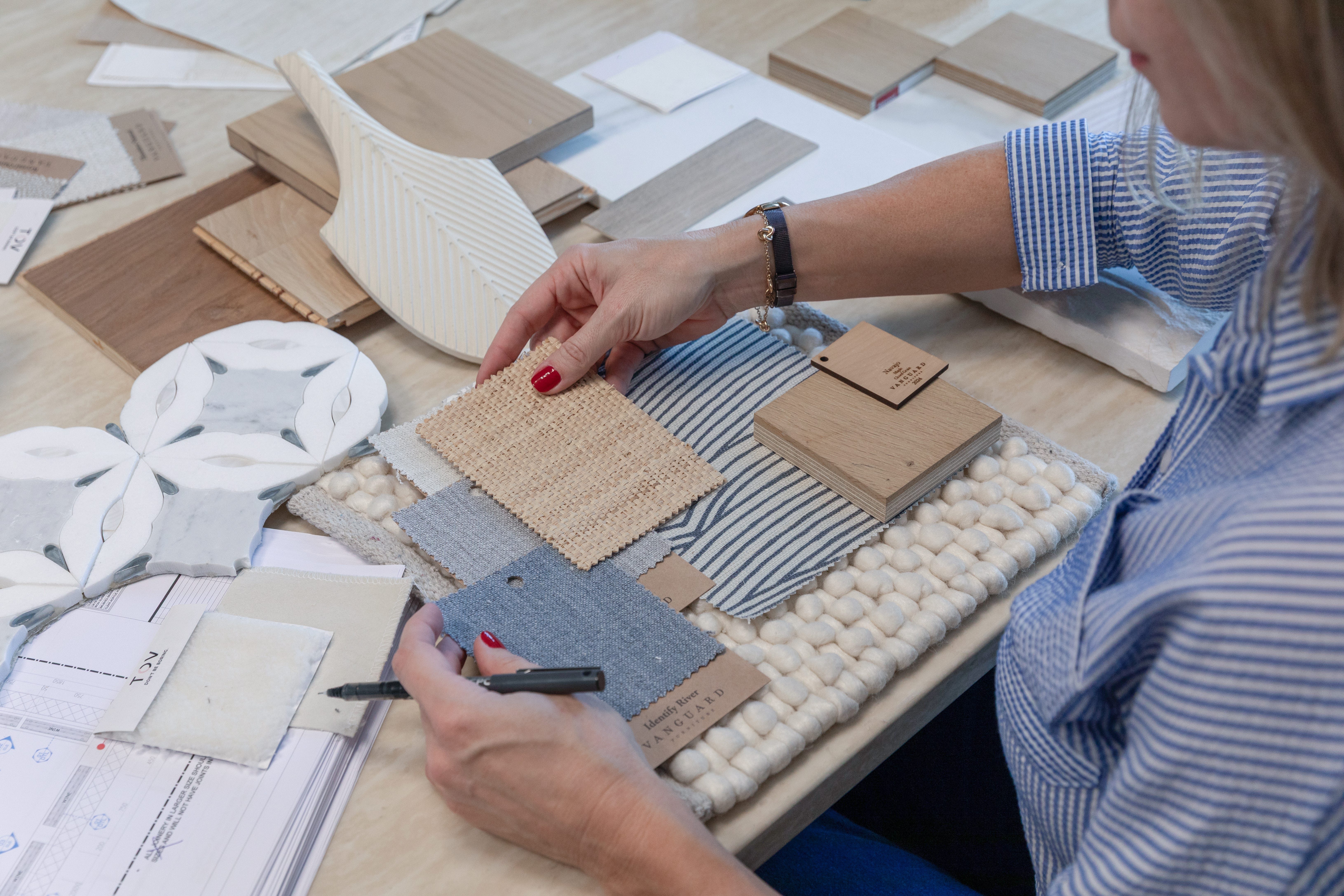
There’s a call I get regularly. The project is done. The client is living in the space. Everything looks the way it should. And then my phone rings: “There’s a mark on the coffee table, do you know how to get it off?”
I do know. And I understand why they’re calling me. But that call tells me something: even after everything we do at handover, the transition from “our project” to “your home” is not as clean as the paperwork makes it look.
This piece is about that gap. What it covers, what it doesn’t, and what you need to have in place once we hand over the keys.
For most of our clients, this is the first home they’ve had professionally designed and built from scratch. First time specifying natural marble. First time with solid brass hardware, natural timber, bookmatched stone. They’ve chosen these materials because they want quality that lasts. But living with them, and maintaining them properly, is a different kind of learning. One most people simply haven’t had to do before.
During the project there are always conversations. “This marble will mark if you leave water on it.” “Brass develops a patina, that’s not a fault.” “Natural timber needs conditioning, not just cleaning.” Clients hear it, understand it in the moment, and mean to act on it. And then they move in. And something happens when you actually start living in a space: everything discussed six months earlier on a site visit quietly leaves the building. You’re almost starting over.
This is not a criticism. It’s just what happens. Which is why what you put in place after handover matters as much as the handover itself.

First: understand what DLP is and what it isn’t
DLP stands for Defects Liability Period. In the UAE, this is typically one year from handover. During this period, if something is genuinely defective, the contractor is obligated to return and fix it. A door that won’t close properly. Tiling that has lifted. Paint that has cracked where it shouldn’t.
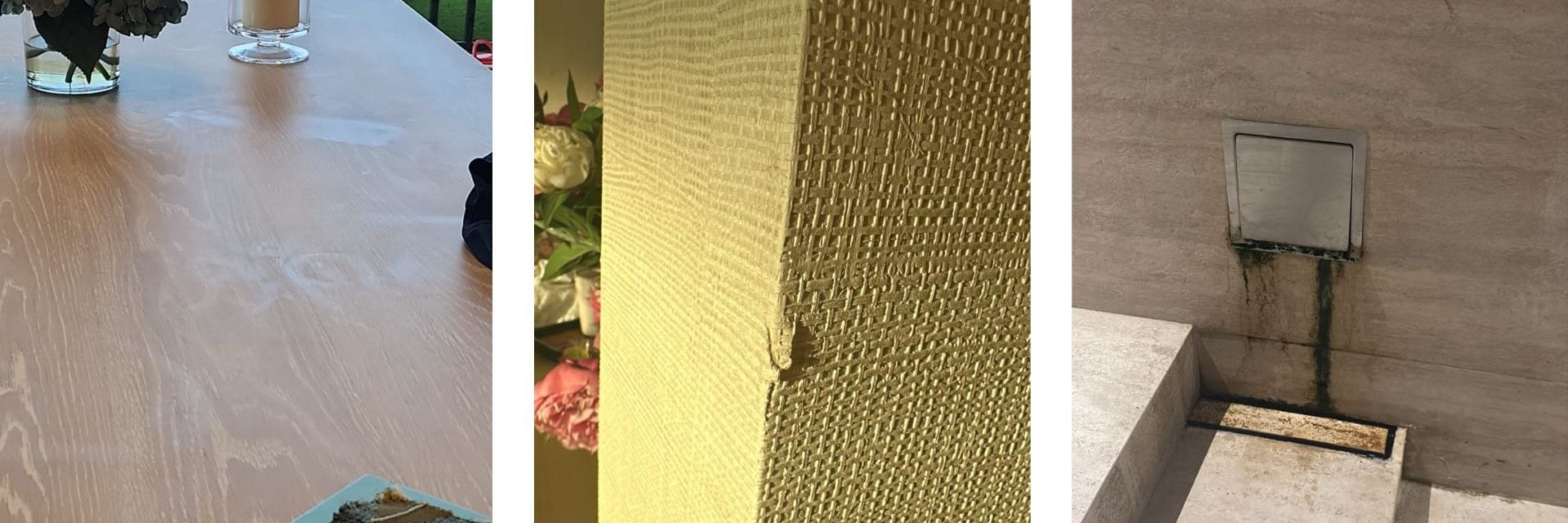
What DLP does not cover: wear from daily use, damage from incorrect cleaning, anything your household staff have accidentally done to a surface, or general maintenance of the property.
The overlap of these two things, defects and maintenance, in that first year is where most confusion lives. Clients are still in the mindset of “things are being fixed,” so when something goes wrong, the instinct is to call us. Sometimes it is a defect. More often, it isn’t.
Running alongside DLP is snagging, the process of identifying and resolving minor issues that come up after move-in. A paint finish that needs touching up. A door hinge that needs adjusting. This is normal and expected. What is less straightforward is when a chip in the wall paint, caused by a piece of furniture being moved in, gets reported as a snagging item. It isn’t. That’s damage. The distinction matters, but it’s not always easy to have that conversation in the middle of someone’s first weeks in their new home.
For both sides, the snagging period can feel like it will never end. There is always one more thing. The best way through it is a clear, documented snagging list from day one, a process for signing items off, and an honest conversation early about what qualifies.
The handover document: what it is and what to actually do with it
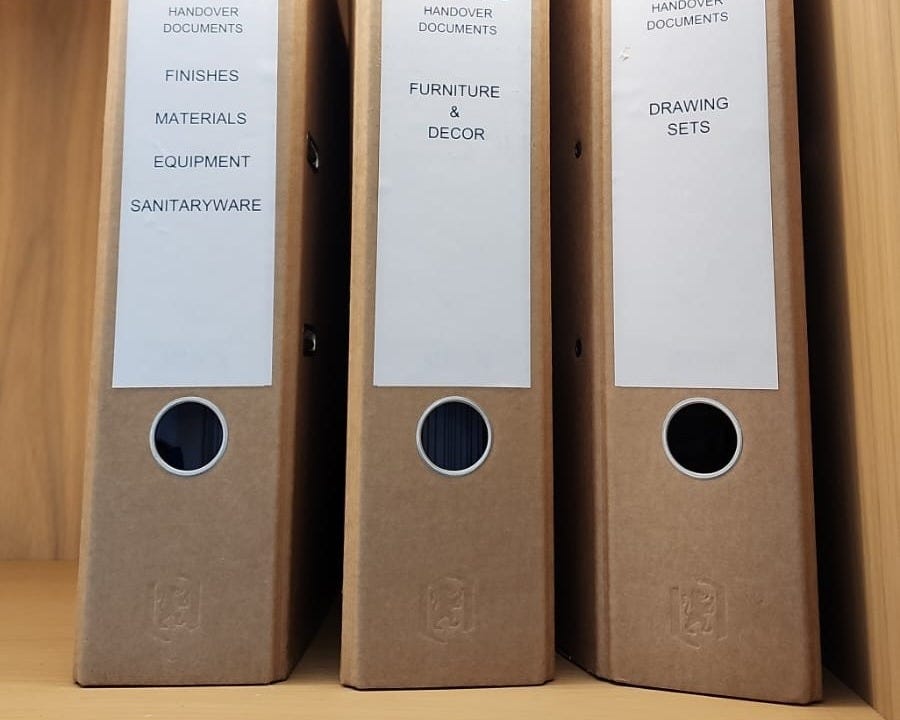
Every project we hand over includes a complete handover file. Every material in the house. Every product. How each one should be cleaned, maintained, and what to avoid. Supplier contacts. Warranty documents. MEP drawings.
It is a lot. Opening a 200-page document the week you move into a new home is not anyone’s idea of a good time. But that file is the reference manual for your home. It is not ceremonial.
What I’d suggest: don’t try to read it all at once. Have your household manager or PA go through the maintenance sections. Flag the materials that require specialist care, marble, brass, upholstered pieces in light fabrics. Keep the supplier contact section somewhere accessible, not buried in a folder no one can find.
Staff training: this is where it actually matters
We offer post-handover training sessions for household staff. Most clients don’t realise this until they call us about a stain.
Here’s what those sessions cover.
Materials care. Marble is not just “stone.” Honed marble, polished marble, bookmatched panels... each responds differently to cleaning products and moisture. Brass will patina if you use the wrong cleaner. Limewash walls need to breathe, not be wiped down with a damp cloth. Your staff need to know what they’re working with before they start cleaning. Not after.
Appliances and systems. Your suppliers come and walk your household through every appliance, every system. How to use the AC controls. How the water filtration works. How to operate the smart home setup. This is part of the handover, not an optional extra. If you weren’t there for it, ask us to reschedule.
What not to do. This is the section that prevents the expensive calls. Multi-surface sprays on natural stone. Bleach near brass or hardware. Abrasive cloths on lacquered joinery. Steam cleaners on sealed timber floors. These all happen. And they all either void warranties or cause damage that cannot be reversed.
Who to call for what. Your handover file has a supplier contact list. Your staff should know: this company handles the AC, this one handles soft furnishings, this is the general maintenance contact. Not “call the agency and see who turns up.”
Annual maintenance: what you actually need to set up
MEP and AC. You need a specialist MEP company on an annual contract. There are many highly qualified maintenance companies in the UAE, and if you need a recommendation, we’ll point you in the right direction. They cover the plumbing, electrical, and mechanical systems on a schedule. AC servicing needs to happen at minimum twice a year, before and during summer. Filters, coils, drainage lines. Your system is working considerably harder here than it would anywhere else.
Deep cleans. A regular clean is not a deep clean. Plan for two or three a year. Grout, high-level surfaces, behind appliances, inside cabinetry. Not the same as your weekly team visit.
Material-specific maintenance. Natural stone needs periodic resealing depending on finish and usage. Upholstery should be professionally cleaned annually. Timber floors and joinery need conditioning, not just cleaning.
Wet areas. Bathrooms, kitchens, utility rooms. Grout integrity, sealant around baths and showers, under-sink areas. Small problems in wet areas become large ones if they’re left.
The running costs: factor these in early
Maintenance contracts are one thing. The ongoing running costs are another conversation entirely, and one worth having before you finalise decisions on scope.
A pool, a large irrigated garden, a jacuzzi, a sauna, multiple kitchen and pantry spaces... each one adds to your monthly water and electricity bills. In the UAE, with AC running across a large footprint for most of the year, those costs add up faster than most people expect.
This isn’t a reason not to have these things. It’s a reason to go in with a realistic picture of what they cost to run, not just to build. When you’re deciding on pool size, irrigation layout, or how many appliances a space needs, it’s worth thinking about the ongoing bill alongside the upfront one. The earlier that conversation happens, the fewer surprises arrive with your DEWA statement.

The honest bit
After handover, the property is yours. That sounds obvious. But it means the responsibility for maintaining it is also yours.
We can set you up with the right contacts, walk your staff through the handover document, and be available when something needs a second opinion. What we can’t do is maintain the property for you.
The clients whose homes look as good in five years as they did at handover took the maintenance seriously from day one. Not because they were precious about it. Because they understood that the quality of the finishes requires quality care to last.
The coffee table question is always welcome. Just better before the damage than after.
Full Video on You Tube:
Studio SuCo offers full service design and handover management for high-end residential projects in Dubai and the UAE. If you'd like to know more, get in touch.
__________________________________________________________
Studio SuCo. A founder-led residential design practice in Dubai. 25 years. Two to four projects at a time. From shell and core to handover.
Designed with intention, delivered with care.
studiosuco.com · @studiosuco · hello@studiosuco.com